Trimming & Pruning
Thoughtful cuts that strengthen structure, lift canopies off roofs and let light back into your yard.
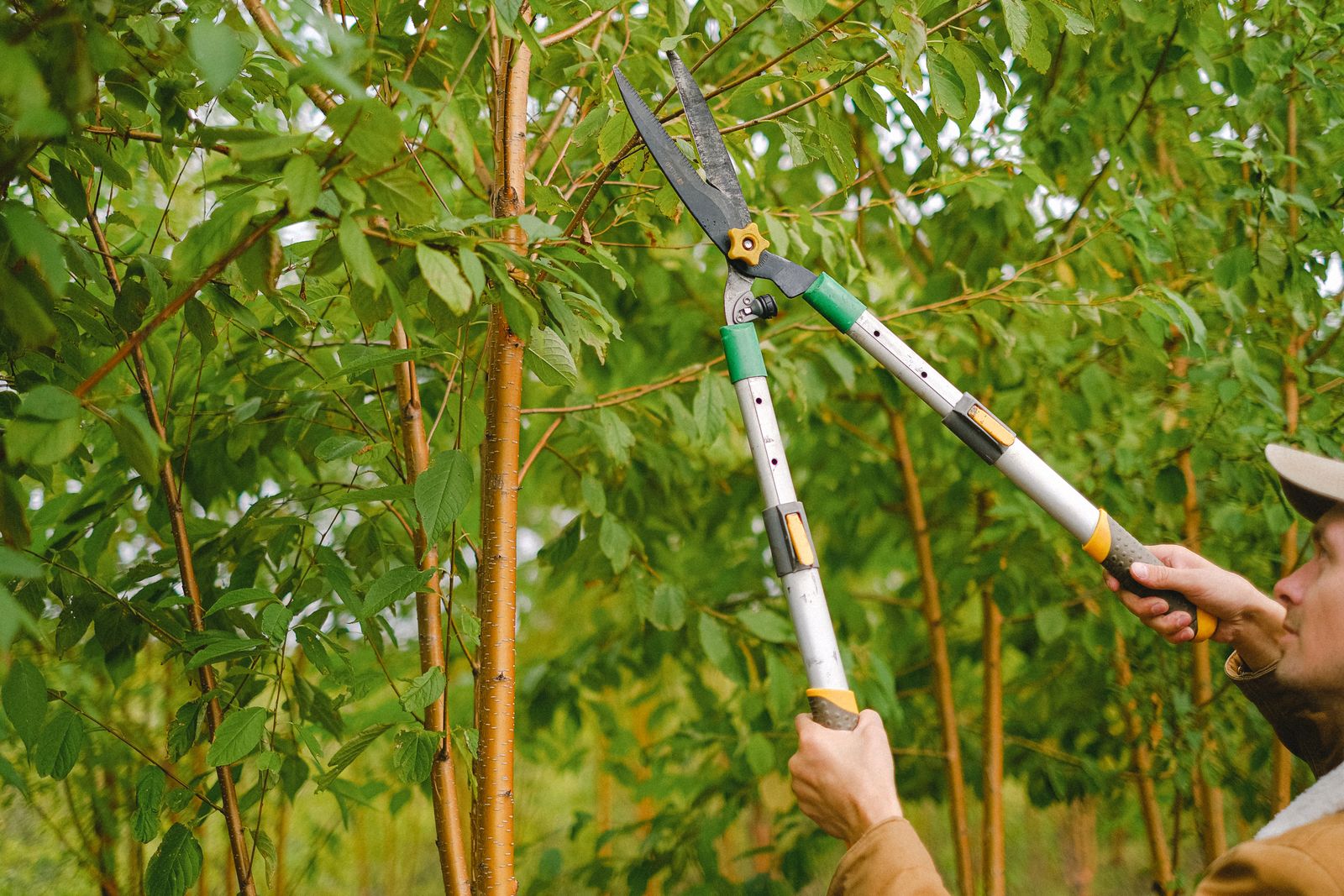
How we approach trimming & pruning
Good pruning is mostly restraint. Our arborists remove the right 10 to 20 percent of a canopy, never more than a tree can recover from in a season, and every cut is made at the branch collar so wounds seal the way nature intended. We follow ANSI A300 pruning standards on every job, from a young linden on a boulevard to a 90-year-old bur oak in Linden Hills.
Most Twin Cities trees benefit from a visit every three to five years. We schedule oaks and elms during winter dormancy to avoid oak wilt and Dutch elm disease beetles, and we note anything unusual we see while we are up in the crown, such as cracks, cavities or girdling roots.
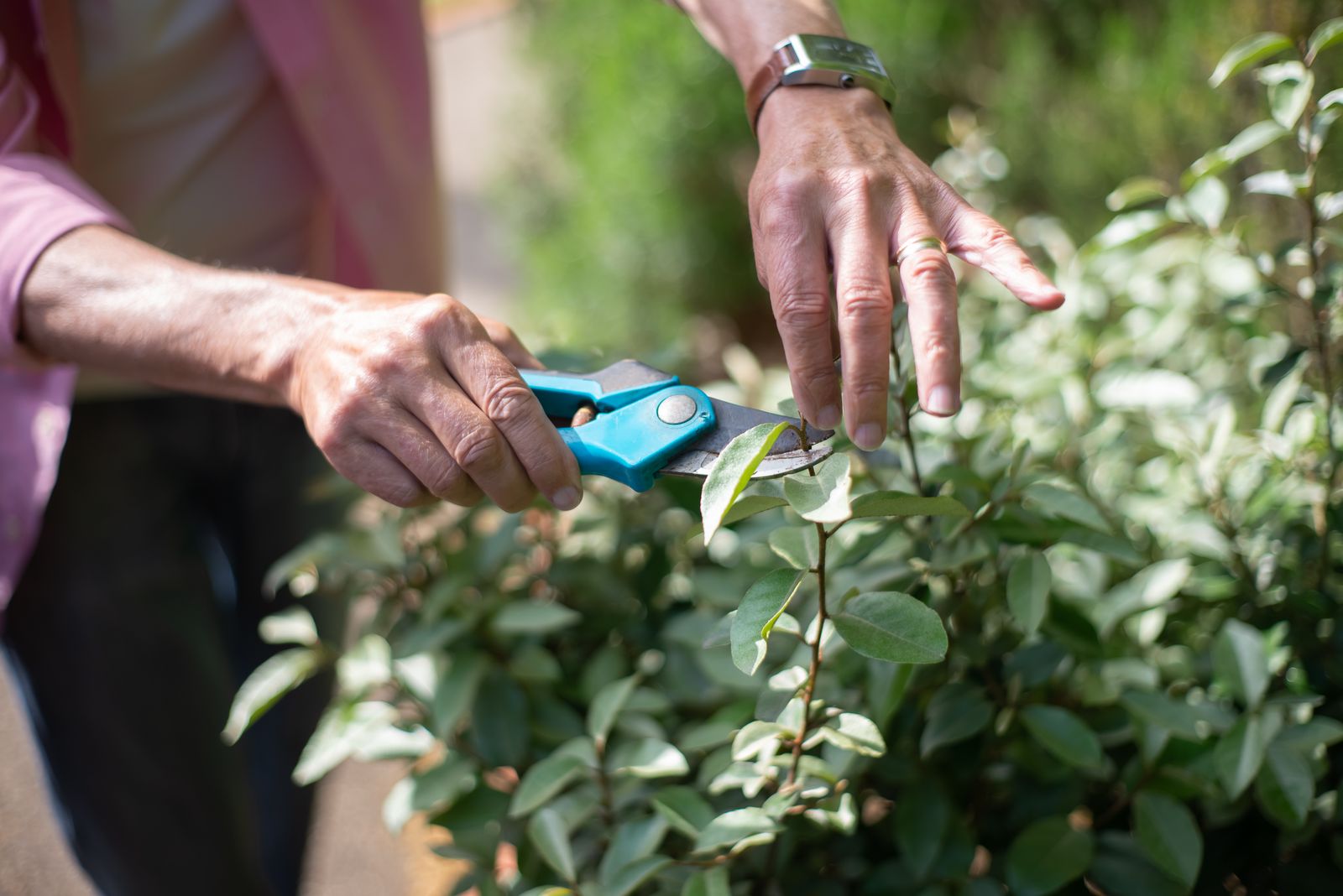
Everything in a standard visit
- Crown cleaning to remove dead, dying and crossing limbs
- Structural pruning for young trees to set a single strong leader
- Crown raising for clearance over roofs, drives and sidewalks
- Utility and chimney clearance away from service drops
- Hand-raked cleanup and chipping of all brush on site
- A short written note on what we cut and what to watch
The process, step by step
- step 1
Walk the tree with you
An arborist looks at structure, health and your goals, then marks the limbs we plan to remove.
- step 2
Plan the cuts
We agree on clearance heights and how much canopy to take, always within A300 limits.
- step 3
Climb and prune
Climbers work from rope systems, lowering heavy limbs on lines to protect lawns and gardens.
- step 4
Clean up and report
Brush is chipped, the yard is raked and blown, and you get a photo summary by email.
Why it is worth doing right
What affects the price
Every tree is different. These four things move the number the most.
- Tree size
- A 25 ft ornamental may take an hour; a 70 ft silver maple can take a full crew day.
- Access
- Backyard trees behind fences or over garages need more rigging and lowering.
- Pruning goal
- Deadwood cleaning costs less than a full structural or clearance prune.
- Number of trees
- Bundling several trees in one visit lowers the per-tree price.
Related services
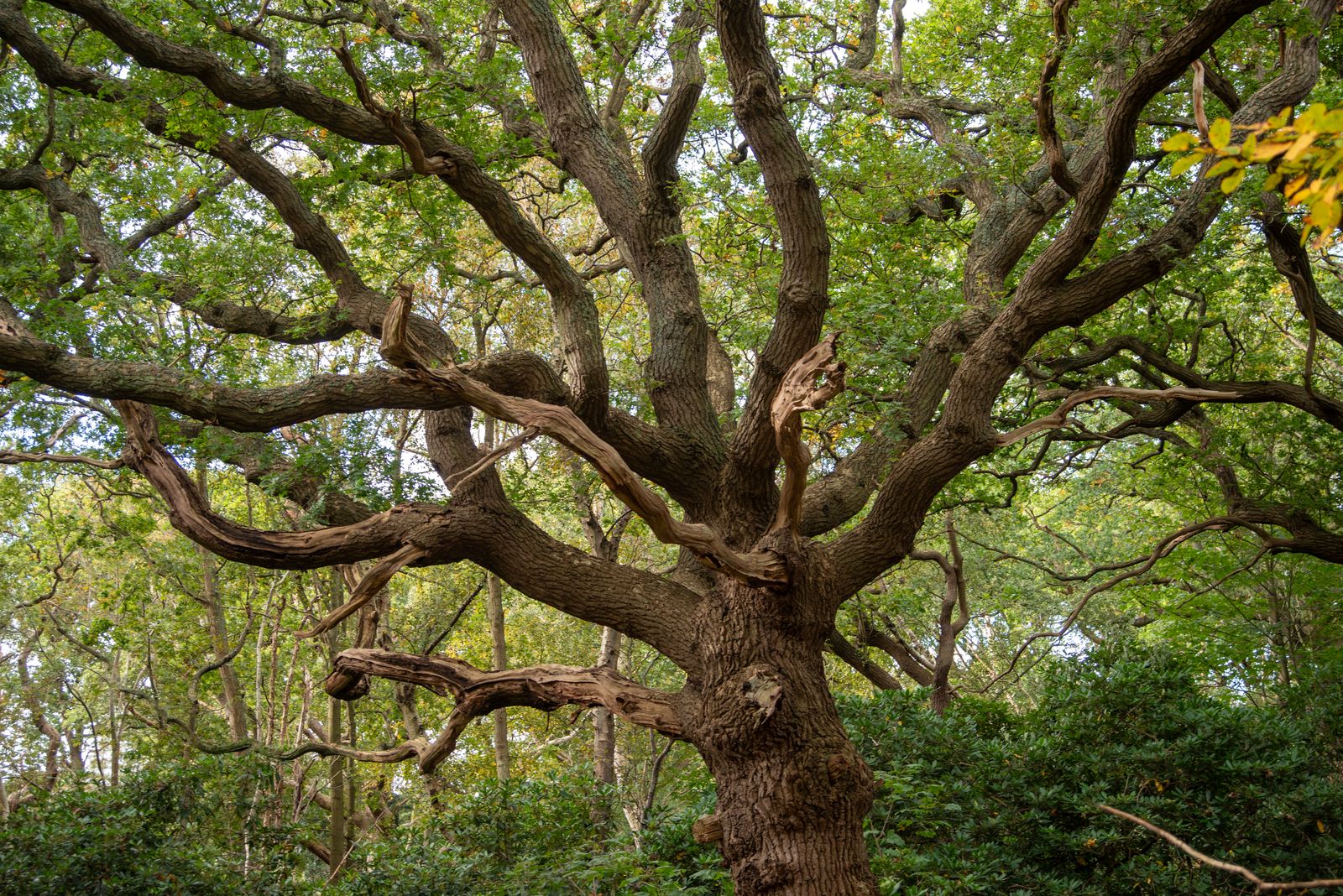
Cabling & Bracing
Dynamic cable and brace systems that support heavy, split-prone crowns.
Learn more
Plant Health Care
Emerald ash borer treatment, oak wilt prevention, soil care and seasonal monitoring.
Learn more
Arborist Assessment
ISA-certified risk, health and pre-construction reports you can act on or share.
Learn more
Trimming & Pruning questions
Can't find your answer? An arborist, not a call center, gets back to you the same business day.
See all questionsLate November through March for most species. Oaks must not be pruned from April through July because fresh wounds attract the beetles that spread oak wilt.
No. Topping creates weak, fast-growing sprouts and decay. We use reduction cuts to lower height safely when it is truly needed.
Not usually. We need gate access and a clear driveway. We will text when the crew arrives and send photos when we finish.
Let's look at your trees together.
Free, itemized estimates from an ISA-certified arborist, usually within 5 business days.
4.9 from 1,284 reviews. Licensed and insured.