Every November our phones get quieter and our calendars get fuller. Homeowners often assume tree work stops when the snow comes, but for arborists in Minnesota the dormant season is the most important pruning window of the year. Here is why we schedule so much of our structural work between December and March, and what that means for the trees in your yard.
The short version is simple: trees heal better, disease risk drops almost to zero, your lawn is protected by frozen ground, and we can actually see what we are doing. The longer version is worth knowing, because it will help you plan care for your trees and avoid expensive mistakes.
Dormant trees respond better to pruning
When a tree drops its leaves in fall, it moves stored energy down into the trunk and roots. Pruning during this period removes wood without removing the leaves that are actively feeding the tree. When spring arrives, that stored energy pushes a strong flush of growth, and the tree begins sealing pruning wounds right away.
Summer pruning is not always harmful, but it removes food-producing leaves at the time the tree needs them most. For stressed trees, such as boulevard maples dealing with compacted soil and road salt, winter pruning is simply the gentler choice.
Disease prevention is the biggest reason
Two diseases shape our calendar more than anything else: oak wilt and Dutch elm disease. Both are spread in part by beetles that are attracted to the scent of fresh wounds. Oak wilt is carried by small sap beetles that are active from roughly April through July in the Twin Cities. A single pruning cut on a red oak in May can be enough to infect the tree, and once infected, red oaks usually die within a season. The fungus can then spread through connected roots to neighboring oaks.
The Minnesota Department of Natural Resources and the University of Minnesota Extension both recommend avoiding oak pruning from April through July. We go further and prefer to prune oaks only between November and March. Elm bark beetles follow a similar pattern, so we schedule elm work in the same dormant window.
- Oaks: prune November through March only
- American elms: prune in dormancy, avoid spring and early summer
- Maples and birch: dormant pruning is fine, but they may bleed sap in late winter, which does not harm them
- Emergency cuts after storms: done whenever needed, and oak wounds are painted immediately
You can see the structure
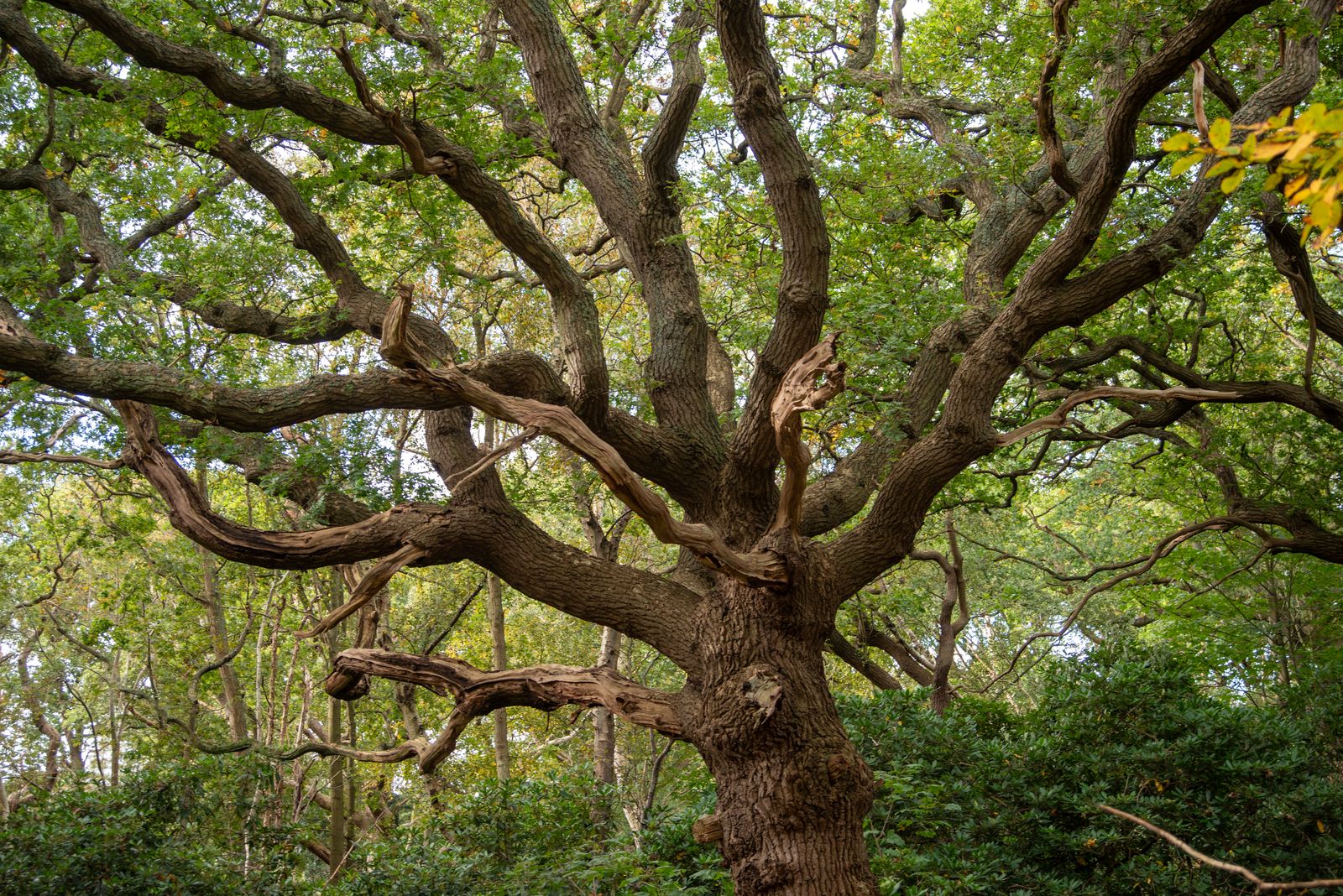
A tree in full leaf hides most of its architecture. In winter our climbers can see crossing branches, weak unions, included bark and deadwood from the ground. That visibility makes our pruning decisions more precise, and it helps us spot problems like cracks or cavities that a summer canopy would hide.
Structural pruning of young trees benefits the most. Choosing a single central leader, removing competing stems and spacing scaffold branches properly is much easier when every twig is visible.
Frozen ground protects your yard
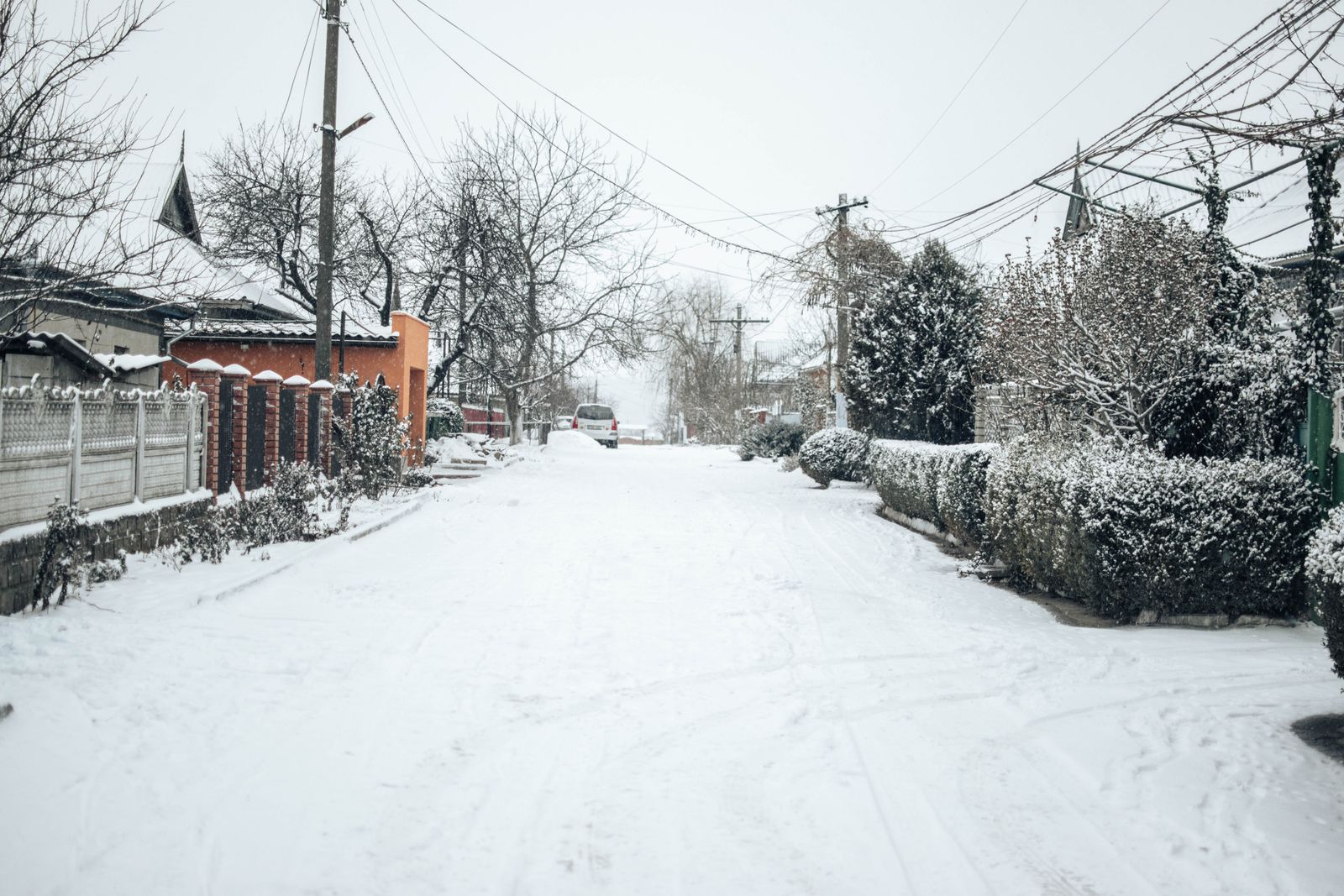
Minnesota winters give us something no amount of plywood can match: hard, frozen soil. Our equipment rolls across frozen lawns without leaving ruts, root zones are less vulnerable to compaction, and garden beds are dormant under snow. Large removals that would tear up a soggy April lawn often leave barely a trace in January.
We still use ground protection mats on driveways and near sensitive plantings, but winter conditions reduce restoration work and the cost that goes with it.
What about the cold?
Our crews work through most winter weather. We pause work when temperatures drop below about minus 10 degrees, when winds exceed 25 miles per hour, or when ice coats branches and makes climbing unsafe. Frozen wood can be brittle, so our climbers adjust their rigging and lower smaller pieces.
Winter scheduling also tends to be faster. Spring and fall fill up weeks in advance, while January and February usually have openings within one to two weeks.
How to plan your winter pruning
Start in fall. Walk your yard after leaves drop and note anything that concerns you: limbs over the roof, branches rubbing, dead wood in the upper canopy, or trees you have not had inspected in five years or more. Request an estimate in October or November so your work can be scheduled for the best part of the dormant season.
If you have oaks or elms, make them the priority for winter. Maples, lindens and hackberries are more flexible, and fruit trees are best pruned in late winter just before bud break. Our Canopy and Estate care plans include dormant pruning hours so your trees are handled on schedule every year without you needing to remember.
Want an arborist to take a look?
Free, written estimates across Minneapolis, St. Paul and the west metro.